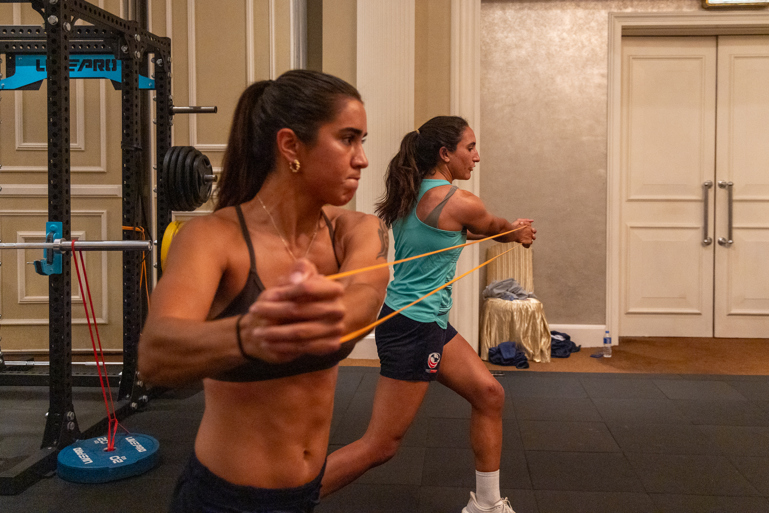
Training In Resource-Constrained Environments
In many sporting contexts, particularly within developing regions or community-based programmes, access to high-end facilities, equipment, and technology can be limited. However, effective training does not rely solely on advanced resources; it depends on creativity, adaptability, and a strong understanding of training principles.
This section explores how coaches and practitioners can design and implement purposeful training sessions using minimal equipment and space. By focusing on movement quality, functional strength, and athlete engagement, we can achieve meaningful physical development even in resource-constrained environments.
Through practical examples and adaptable session plans, this section aims to demonstrate that resource limitations should not hinder performance progress. Instead, they offer opportunities to innovate, think critically, and apply foundational training methods in accessible and inclusive ways.
Examples:
- Strength: Bodyweight squats, split squats, lunges, push-ups, and partner isometrics (e.g., resisted holds).
- Power: Jump squats, bounding, medicine-ball-style throws using weighted objects (e.g., a netball), or partner-resisted sprints.
- Speed and Agility: Short sprints, change-of-direction drills, and reaction games.
- Core Stability: Planks, side planks, partner-resisted rotations, or balance work on uneven surfaces.
- Flexibility and Mobility: Dynamic warm-ups, yoga-inspired flows, and partner-assisted stretching.
Coaching Tip:
- Prioritise good technique and progress gradually over time. Encourage athletes to master foundational movements before progressing with intensity.