Summary
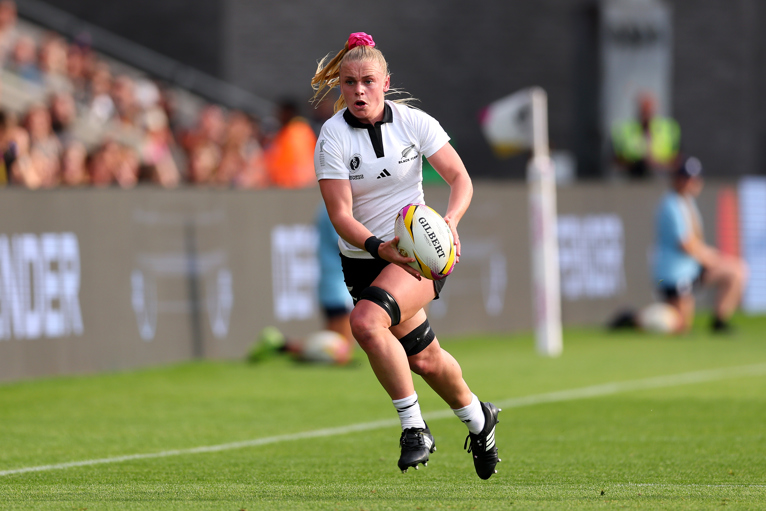
In summary, the demands of elite women’s rugby union are highly position-specific, encompassing a diverse range of physical and physiological stressors. Forwards are predominantly involved in high-collision, low-speed activities, while backs engage in more high-speed running and sprinting. Within these groups, further distinctions exist, such as the hybrid demands placed on back rows or the high-speed, evasive roles of outside backs. Understanding these nuanced positional requirements is essential for tailoring training programs that reflect the unique match demands of each role. Additionally, preparing players for high-intensity periods through targeted conditioning and real-time workload monitoring ensures readiness for the most demanding phases of play, ultimately enhancing performance and reducing injury risk.