Physical and Biomechanical Foundations
Biomechanical Principles
Understanding the biomechanical principles of sprinting can allow coaches to optimise the sprinting performance of players. The biomechanical principles of sprinting include:
Stride Length and Stride Frequency
- Stride Length
- Stride length is the distance covered between the spot where one foot contacts the ground and the next time that same foot makes contact with the ground again. Stride length is made up of 3 phases: the Support Phase, the Drive Phase and the Flight Phase.
- Stride Frequency
- Stride frequency is the number of strides taken per second. Stride frequency is made up of ground contact time and flight time.
(Fletcher, 2009)
- Stride frequency is the number of strides taken per second. Stride frequency is made up of ground contact time and flight time.
- Force Production
- The ability to produce force into the ground determines sprint performance. The production of horizontal and vertical ground reaction forces is crucial for optimal sprint performance. To maximise propulsive force, an athlete must generate high ground reaction forces through triple extension of the hip, knee and ankle (Fletcher, 2009).
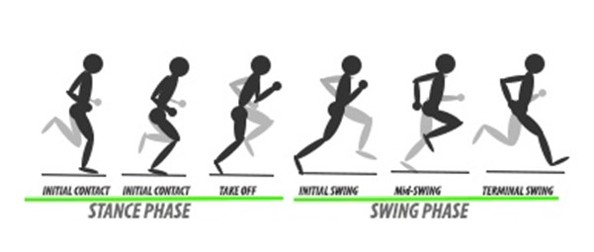
Figure 1. Single Stride Phase during Upright Running
During acceleration, stride length is generally shorter and gradually increases as speed builds, while stride frequency is high. A focus on horizontal force production should be a priority when accelerating with a forward lean and positive shin angle and longer ground contact time to ensure high force production levels (Buchheit et al., 2014).
As an athlete moves towards max velocity, there is an increase in stride length with a slight decrease in stride frequency due to moving towards vertical force production with shorter ground contact times. The athlete moves from a forward lean while accelerating to a move upright posture with rapid front side mechanics with high knee drive and quick swing leg recovery to ensure efficient force application and reduce braking (Haugen et al., 2019).